Hello people! Are you keeping your pet’s vaccinations up to date? Vaccination isn’t fair a pet care task—it’s a crucial defense for your textured friend’s well-being. Whether you have a perky puppy, an inquisitive cat, or a developed pet, immunizations play a key part in protecting them from life-threatening infections. However, a few pet proprietors delay or skip inoculations, regularly belittling the genuine dangers included.
From preventable ailments to expensive medications and, indeed, lawful consequences, the threats of not getting shots are exceptionally genuine. This article highlights the beat five dangers of skipping pet immunizations and offers insight into why convenient immunizations matter more than ever. If you adore your pet and need to guarantee a long, sound life together, this immunization caution is one you can’t bear to ignore. Let’s start!
Table of Contents
Chance of Deadly Diseases
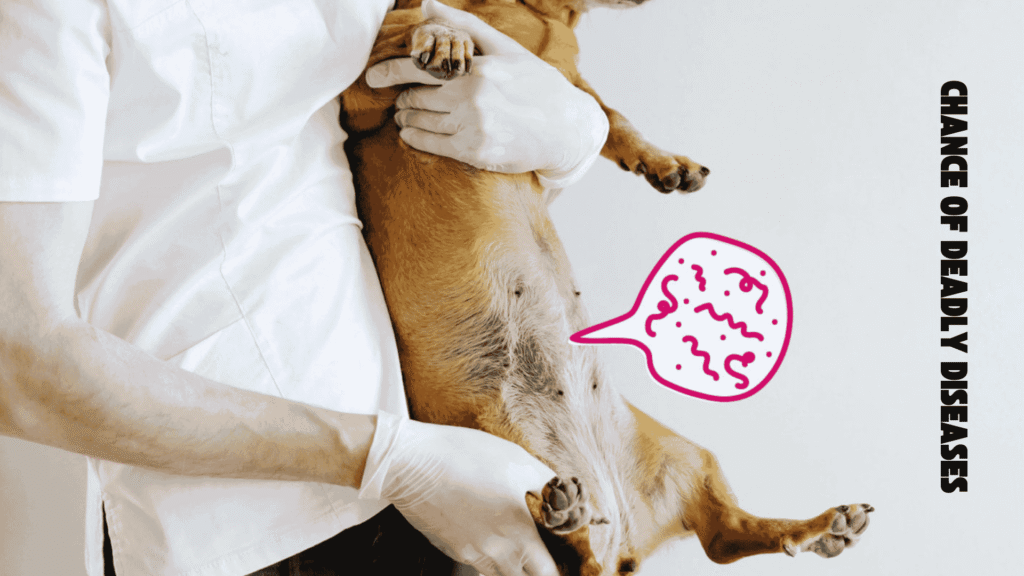
The most critical threat of skipping immunizations is exposing your pet to dangerous maladies. Immunizations are planned to avoid infections that can be deadly or cause long-lasting complications. Without assurance, your pet becomes a target for these profoundly infectious illnesses.
Canine Parvovirus
Parvovirus is one of the deadliest infections in mutts, particularly in puppies. It spreads through sullied feces and can survive for months in the environment. Side effects include vomiting, the runs (often grisly), diarrhea, and extreme lack of hydration. Inoculation is the as it were way to successfully anticipate this disease.
Feline Panleukopenia
This is the cat form of parvo and is similarly deadly. Unvaccinated cats are most vulnerable. It assaults the bone marrow and intestinal tract, leading to iron deficiency, spewing, and, indeed, sudden passing. A basic antibody can offer long-lasting immunity with planned boosters.
Rabies
Rabies is lethal once symptoms show up and can spread to people through bites. It influences the apprehensive framework, causing hostility, loss of motion, and eventually passing. It’s not fair, a wellbeing issue—it’s a legitimate one. Most locales require rabies immunization by law for both mutts and cats.
By skipping inoculations, you are exposing your pet to avoidable, enduring, and possibly irreversible results. This is why early and reliable immunization plans are non-negotiable.
Chance to Other Pets and Animals
When you skip your pet’s immunizations, you’re not fair gambling your pet a favor—you’re imperiling other creatures as well. Antibodies offer assistance in making a boundary of security, known as “herd immunity,” that secures whole communities.
Dog Parks and Daycares
Public spaces where pets gather—like puppy parks, pet hotels, or pet daycares—can end up breeding grounds for malady. An unvaccinated pet may contract or contract disorders like dog hotel to cut roughly, canine grippe, or leptospirosis. These can spread fast and lead to outbreaks.
Multi-Pet Households
If you have more than one pet, the hazard increases. A single debilitated creature can contaminate others—cats with cat leukemia, dogs with parvovirus, or both with respiratory diseases. Indeed, a pet that appears solid can be a carrier and pose a risk to others.
Wildlife and Stray Encounters
Unvaccinated pets who wander outside are at risk of contracting natural infections or strays carrying infectious diseases. Rabies, in specific, is transmitted through bites from contaminated creatures like raccoons, skunks, or bats.
Skipping immunization doesn’t fair influence your household—it puts the broader pet population at risk. Capable pet proprietorship implies ensuring not as it were your possess pet but the whole creature community.
Expanded Vet Bills and Crisis Costs
Vaccination is a preventive measure, and anticipation is continuously cheaper than treatment. When pet proprietors dodge shots, they open the entryway to maladies that can rack up thousands of dollars in crisis care.
High Taken a toll on Treatment
Treating parvo can cost anywhere from $1,500 to $5,000. Cat leukemia treatment is continuous and incorporates drugs, vet visits, and, in some cases, hospitalization. Indeed, a respiratory disease like pet hotel hack can result in a few hundred dollars in vet bills.
Extended Recuperation and Complications
Unvaccinated pets frequently involvement more extreme symptoms and longer recovery times. A few never completely recuperate and live with constant conditions such as heart or lung issues, leading to deep-rooted vet expenses.
Hidden Expenses
Don’t disregard extra costs: missed work due to crisis visits, additional cleaning supplies for irresistible messes, or specialized nourishments and supplements during recuperation. These costs are up rapidly and may have been dodged with a low-cost vaccination.
In pith, skipping a $30 antibody can lead to a $3,000 crisis. Immunization isn’t fair a wellbeing tool—it’s a financial shield for you and your pet.
Lawful and Travel Restrictions
Vaccination, moreover, plays a lawful part, particularly with required immunizations like rabies. Skipping shots can put you in legitimate inconvenience and restrain your pet’s access to services, travel, and housing.
Rabies Laws and Liability
Most states and nations order rabies inoculation. If your pet chomps somebody and is not immunized, the results are extreme: constrained isolate, killing, and legal action against you. Indeed, if the chomp is inadvertent, you’re obligated for harm and can be fined or sued.
Travel Restrictions
Planning to take your pet on a trip or jaunt? Most transport, pet hostels, and global aims require validation of current vaccinations. No shots, no boarding, no flying, and no passage. You may discover yourself scrambling at the final miniature or taking off your pet behind.
Housing Requirements
Many rental properties and loft complexes require immunization records. Without confirmation, your rent may be denied or denied. You might also confront additional pet stores or restrictions.
Vaccination isn’t fair around health—it’s a visa for your pet’s flexibility and your peace of mind.
Abbreviated Life Expectancy and Decreased Quality of Life
Vaccines are demonstrated to extend life expectancy by protecting against illnesses that diminish a pet’s life expectancy and quality of life. Without security, pets confront not as it were a higher chance of passing but too long-term enduring from preventable illnesses.
Chronic Conditions
Some preventable maladies can cause lasting organ harm. For illustration, canine distemper influences the nervous and respiratory systems, leading to seizures or brain harm. Cat immunodeficiency virus (FIV) debilitates the immune system, making cats vulnerable to opportunistic infections.
Pain and Suffering
Even non-fatal ailments like pet hotel hack, cat herpesvirus, or tick-borne maladies can cause weeks or months of inconvenience. Envision your pet battling to breathe, eat, or move—when all of it may have been prevented with a basic vaccine.
Reduced Action and Social Life
Sick pets are frequently less lively and more withdrawn. They can’t appreciate strolls, playdates, or snuggle time when they’re battling off an infection. In quintessence, their quality of life drops significantly—along with their capacity to bond and lock in with you.
Vaccination makes a difference; guarantee that your pet lives a long, upbeat, and dynamic life. It’s the extreme act of cherish and assurance you can provide.
Conclusion
This inoculation alarm isn’t implied to scare—it’s implied to educate. Skipping pet shots is a bet with genuine results: lethal sicknesses, legitimate dangers, gigantic vet bills, hurt to other creatures, and eventually, a shorter life for your adored companion. Inoculation is a secure, reasonable, and basic part of pet child rearing. It’s not fair to almost take after a plan; it’s almost committing to your pet’s long-term wellbeing and bliss. Don’t hold up for an emergency to strike. Converse with your vet, remain on track with boosters, and make immunization a best need. Since when it comes to your pet’s life, avoidance isn’t fair better—it’s everything. When was your pet’s last vaccination check-up?
FAQs
Are pet immunizations truly essential each year?
Not all antibodies are yearly. A few are required annually (like Bordetella), whereas others are each 3 times a long time. Your vet will prescribe a custom-made schedule.
Can indoor pets skip vaccinations?
No. Indeed, indoor pets are at risk—diseases can enter your domestic through shoes, open windows, or other pets.
What are the side effects of pet vaccinations?
Most pets’ involvement as it were mellow side effects like weariness or soreness. Serious responses are uncommon and treatable.
How much do pet inoculations regularly cost?
Core antibodies as a rule extend from $20–$75 each. A few clinics offer immunization bundles or low-cost days.
When ought I begin immunizing my puppy or kitten?
Puppies and cats more often than not begin inoculations at 6–8 weeks old, with boosters every few weeks until 16 weeks, at then every year or every 3 years.