Hello people!Ready to help your pet feel great again? Is your pet pressing on a few additional pounds? You’re not alone. Millions of pet owners are unknowingly contributing to a growing epidemic—overweight pets. Like people, pets face genuine health risks when they carry excess weight: heart disease, joint issues, diabetes, and a shorter life expectancy. But here’s the great news—you can turn things around, and quickly.
With a few keen, straightforward changes to slim down, schedule, and way of life, your textured companion can bounce back to a more beneficial, more joyful life. This directly investigates 7 fast fixes that work. Whether you’ve got a pudgy pup or a chunky kitty, these tips are simple to actualize and successful. Let’s jump in and offer assistance to your pet to recover their vitality, well-being, and tail-wagging joy! Let’s start!
Table of Contents
Cut the Treats—Without Cutting the Fun
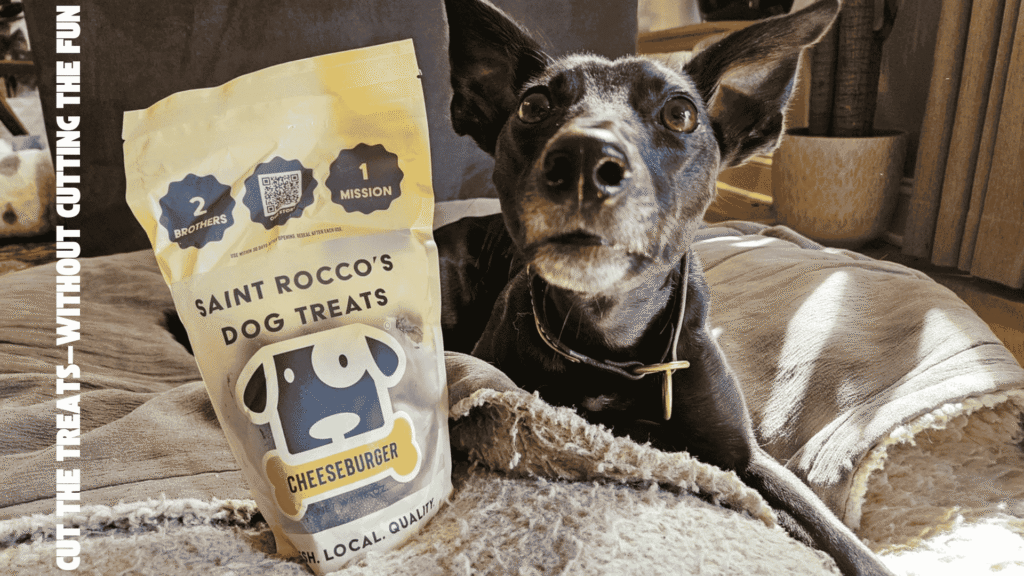
One of the most subtle contributors to overweight pets? Treats.
The Problem:
Most pet treats are calorie bombs. A few here and there might appear safe, but over time, they add up—especially for littler pets.
The Fix:
Swap out conventional treats for more beneficial choices. Think baby carrots, green beans, apple slices (without seeds), or commercial low-calorie treats planned specially for weight control.
Bonus Tip:
Use laud, fondness, or a favorite toy as a remunerate incentive for nourishment. Numerous pets need consideration as much as snacks.
Quick Trick:
Break treats into littler pieces. Your pet won’t know the contrast, and you’ll cut calories while still keeping them happy.
Degree Meals—Stop the Free Pour
It’s enticing to scoop and dump nourishment into your pet’s bowl without considering. But unmeasured parcels can lead to genuine overeating.
The Problem:
Most proprietors overestimate how much their pet needs. What looks like a “normal” serving can be twofold their required calories.
The Fix:
Use a measuring container or an advanced nutrition scale for each dinner. Take after bolstering rules based on your pet’s perfect weight—not their current weight.
Vet Tip:
Ask your vet for a personalized nourishing chart. Breed, age, movement level, and existing wellbeing issues all influence how much nourishment your pet truly needs.
Don’t Forget:
Free-feeding (taking off nourishment out all day) is a major driver of overweight pets. Adhere to planned mealtimes instead.
Switch to Weight-Management Pet Food
If your pet’s eating a high-calorie kibble, no amount of parcel control will offer assistance. Quality matters.
The Problem:
Standard pet nourishments are regularly stuffed with fillers like corn or soy, which spike calories without providing sustenance. These contribute to weight gain and starvation between meals.
The Fix:
Switch to a vet-recommended weight-management equation that is high in protein, fiber, and moo in fat. See for names with genuine meat as the to begin with fixing and negligible counterfeit additives.
Watch For:
- L-carnitine (a fat-burning amino acid)
- High fiber (to offer assistance, pets feel full longer)
- Omega-3 fatty acids (to decrease inflammation)
Tip:
Always move to unused food slowly over 7–10 days to dodge stomach upset.
Boost Every Day Exercise—Even 10 Minutes Helps
Exercise is the foundation of weight loss, and overweight pets regularly lead inactive lives without us indeed realizing it.
The Problem:
Busy plans and indoor ways of life cruel pets aren’t getting sufficient movement. This is particularly true for more seasoned dogs and indoor cats.
The Fix:
Start little. Include fair 10–15 minutes of movement in your pet’s day. Continuously construct up as their wellness improves.
Fun Ideas:
Dogs: Play get, walk unused courses, utilize dexterity gear, or set up a playdate with another dog.
Cats: Utilize wand toys, laser pointers, or food perplexes to encourage movement.
Key Rule:
Consistency things more than escalated. A small bit each day is superior to a debilitating end-of-the-week session.
Present Perplex Feeders and Moderate Bowls
Eating too quickly can make pets gain weight and feel hungry sooner. Abating them down can make an astounding difference.
The Problem:
Gulping down food leads to poor assimilation and can trigger the cycle of asking for more.
The Fix:
Invest in perplex feeders, snuffle mats, or slow-feed bowls. These instruments turn mealtime into a challenge that burns calories and extends eating time.
Bonus Benefit:
Puzzle feeders also diminish boredom, which is a common reason pets gorge or ask for food.
DIY Tip:
Hide little parcels of kibble around your domestic so your pet “hunts” for their nourishment. It’s invigorating and burns calories!
Screen Weight Weekly—Don’t Hold up for the Vet
Waiting months between vet visits to check your pet’s weight lets little problems turn into huge problems.
The Problem:
Weight crawl happens gradually. You may not take note of a pound or two—but for pets, particularly little breeds, that’s significant.
The Fix:
Create a week-after-week weigh-in schedule at domestic. Utilize a washroom scale:
- Weigh yourself.
- Weigh yourself while holding your pet.
- Subtract your weight from the combined weight.
Visual Checks:
Look for signs like a vanishing waistline, hesitance to move, or trouble bouncing onto furniture.
Use Tech:
Pet wellness trackers (yes, they exist!) can offer assistance screen day by day activity and calorie intake, keeping you accountable.
Run the show, Out Restorative Issues Early
Sometimes, indeed, with a sound diet and less eating, and working out, overweight pets still battle to lose weight.
The Problem:
Underlying healing issues—like hypothyroidism or Cushing’s disease—can cause unexplained weight gain, lethargy, or swelling.
The Fix:
If your pet isn’t losing weight regardless of your efforts, visit the vet for a full checkup. Blood work and hormone boards can uncover covered-up problems.
Red Flags:
- Sudden weight gain
- Extreme fatigue
- Hair loss
- Constant starvation despite controlled feeding
Treatment Works:
Once analyzed, most conditions can be overseen with pharmaceutical or uncommon diets—meaning your pet can still live a sound, dynamic life.
Why Overweight Pets Confront Genuine Risks
Health Issues to Observe For:
Arthritis: Additional weight puts pressure on joints, quickening wear and tear.
Heart Infection: Fat pets have an increased risk of cardiac problems.
Diabetes: specifically common in overweight cats.
Breathing points: Fat stock around the chest makes breathing harder.
How to Tell If Your Pet Is Overweight
5 Speedy Checks:
Rib Check: You ought to feel ribs effortlessly but not see them.
Waist See: From over, your pet ought to have an obvious waistline.
Side Profile: Their paunch ought to tuck up, not hang down.
Energy Levels: Dormancy can be a sign of abundance weight.
Panting or Wheezing: Can show fat around the chest or throat.
If in question, inquire your vet for a Body Condition Score (BCS), which positions weight on a scale from 1 to 9.
Weight Misfortune Isn’t One-Size-Fits-All
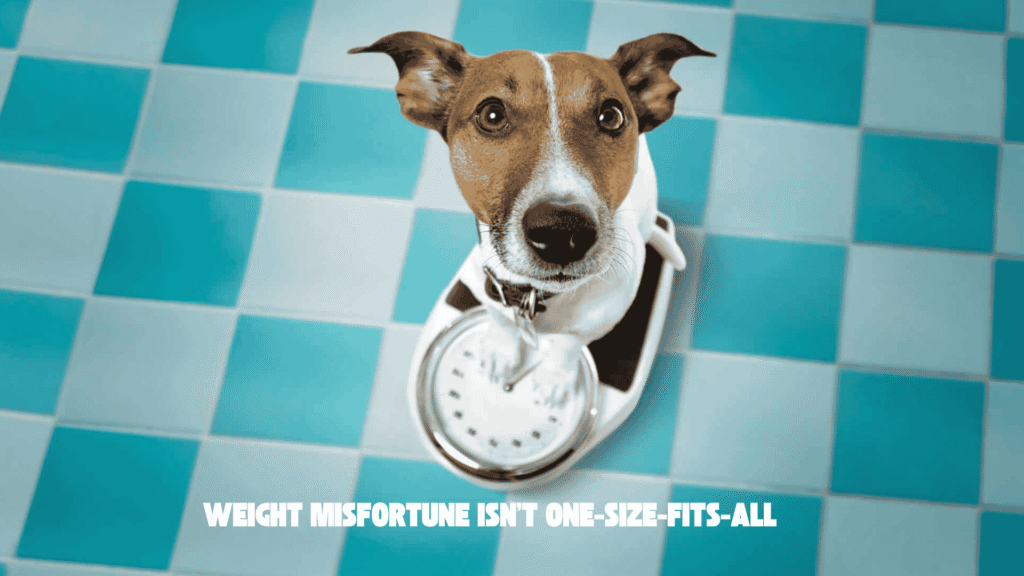
Each pet is one of a kind. Breed, age, hereditary qualities, and way of life all play a part in how effectively they pick up or lose weight. An Incredible Dane’s needs are distinct from a Dachshund’s. A fixed indoor cat will lose weight in an unexpected way than a hyper Labrador puppy.
Tip:
Track advances week after week, celebrate little wins, and alter plans as required. Be patient—sustainable pet weight misfortune regularly takes 3–6 months.
Conclusion
Overweight pets don’t fare battle with development or appearance—they’re quietly battling covered up wellbeing dangers that can abbreviate their lives. But it doesn’t have to remain that way. With the right combination of little, reliable changes—like parcel control, more intelligent treats, expanded recess, and customary weigh-ins—you can make a genuine distinction in your pet’s life.
These 7 speedy fixes are not as it were simple to execute, but they’re sponsored by vets and pet sustenance specialists. Whether your pet has begun putting up weight or you’ve been battling with it for a long time, now is the idealize time to take action. Your fuzzy companion is tallying on you—so let’s get moving and bring back that sound, tail-wagging energy! Ready to help your pet get back in shape?
FAQs
How can I tell if my pet is overweight?
Feel for ribs, observe for a tucked tummy, and check for a distinct stomach. A vet can affirm utilizing a Body Condition Score.
Can I nourish my overweight pet less of their standard food?
Yes, but it’s way better to switch to weight-management nourishment outlined to be filling with fewer calories.
How long does it take for pets to lose weight?
Safe weight loss takes time—expect 1–2% body weight loss per week. Most pets see comes about in 3–6 months.
Are cats harder to help lose weight than dogs?
Yes, frequently. Cats are more stationary, but with play and parcel control, weight misfortune is achievable.
Is it unsafe if my pet loses weight too fast?
Yes. Rapid weight loss, particularly in cats, can lead to liver issues. Continuously press forward for a progressive, relentless advance.