Hello people! Could your pet be hiding painful dental problems right now? Most pet proprietors center on nourishing, prepping, and vaccinations—but what about dental care? Your pet’s mouth is a portal to their general well-being, and overlooking it can lead to difficult, indeed perilous, results. A terrible breath might appear safe at to begin with, but it seems to be the begin with dental sign of something genuine. Contaminations, tooth decay, or indeed organ harm can start with poor oral cleanliness. The terrifying portion? Pets regularly endure in hush.
That’s why recognizing dental ruddy banners early is significant. In this article, we’ll investigate five frightening signs that your pet may be suffering from dental disease—and what you can do about it. Don’t overlook these signals—your pet’s wellbeing, joy, and indeed life expectancy might depend on it. Let’s start!
Table of Contents
Terrible Breath Isn’t Fair Annoying—It’s a Ruddy Flag
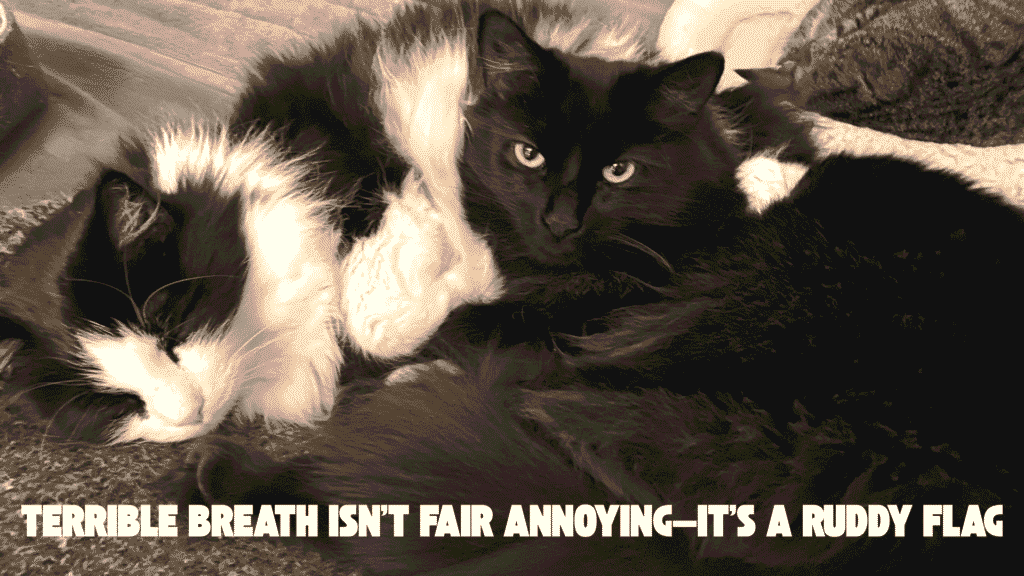
That “dog breath” or “fishy cat mouth” scent is frequently expelled as typical. But determined, terrible breath is a major dental concern. Foul-smelling breath more often than not demonstrates a buildup of microscopic organisms in your pet’s mouth. This can be due to tartar, contaminated gums, or rotting teeth.
Why It’s Scary:
Bad breath seems cruel. Your pet is suffering from periodontal infection, a condition that affects about 80% of mutts and 70% of cats by age 3. If left untreated, the microscopic organisms can enter the circulatory system and cause heart, liver, or kidney complications.
What to See For:
- Breath that smells sweet, acrid, or metallic
- Increased drooling
- Lip licking or pawing at the mouth
What You Can Do:
Schedule a dental check-up. Your vet may prescribe a proficient cleaning or, indeed, tooth extractions if the rot is progressed. Begin brushing your pet’s teeth every day or utilize vet-approved dental chews and water additives to diminish bacterial buildup.
Dying Gums or Blood on Toys
Have you taken note of blood on your pet’s chew toys, bones, or bedding? Dying gums are a genuine dental concern. Fair, like in people, this regularly focuses on gingivitis or more serious periodontal disease. The dying may happen amid eating, chewing, or indeed when your pet yawns.
Why It’s Scary:
Inflamed and dying gums are agonizing and a sign of disease. If not tended to, it can advance to tooth decay or jawbone weakening. In cats, inveterate gingivitis can lead to stomatitis, an inconceivably difficult condition that frequently requires full-mouth extractions.
What to See For:
- Swollen or shinning ruddy gums
- Blood around the mouth
- Avoidance of chew toys or food
What You Can Do:
Avoid brushing if gums are currently bleeding—it may reduce the discomfort. Instep, book a dental exam with your vet. They may endorse anti-microbials or anti-inflammatory drugs, taken after a full dental cleaning under anesthesia.
Trouble Eating or Dropping Food
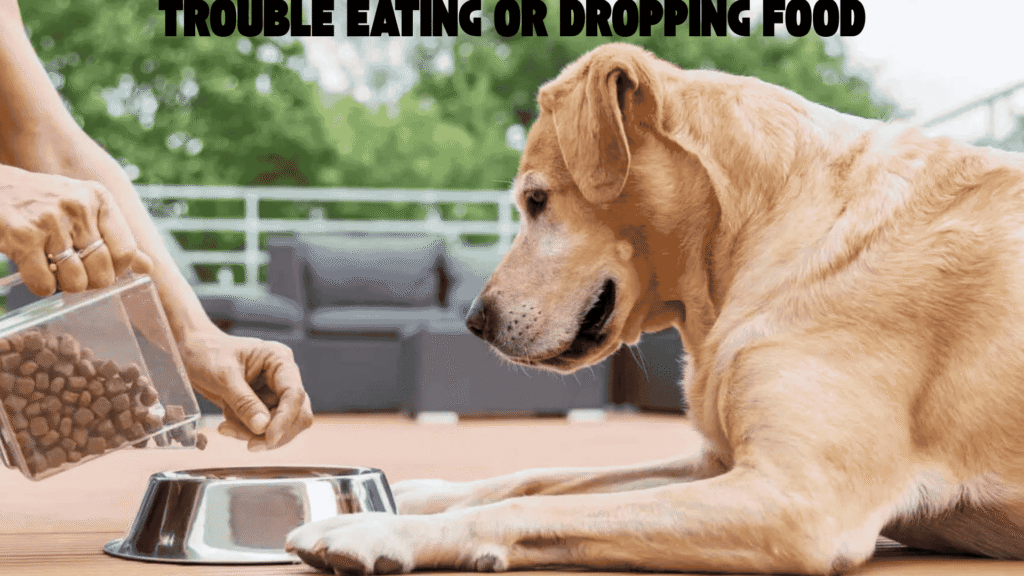
If your canine or cat is abruptly eating less, chewing on one side, or dropping kibble from their mouth, consider this a solid dental caution. Pets are impelled to stow away torment, so if they’re showing signs of discomfort while eating, it’s likely serious.
Why It’s Scary:
Tooth abscesses, broken teeth, or verbal tumors can cause extreme distress. Diseases around the tooth root can spread and form excruciating pockets of discharge. More awful, untreated dental diseases can relocate to crucial organs.
What to See For:
- Refusing difficult nourishment or switching to delicate food
- Chewing gradually or as it were on one side
- Pawing at the mouth or shaking the head after eating
What You Can Do:
Don’t attempt to open your pet’s mouth forcefully—they may nibble out of torment. Visit your vet for an intensive verbal exam, conceivably including dental X-rays. Based on the discoveries, medications may incorporate extractions, anti-microbials, or a full-mouth cleaning under anesthesia.
Unmistakable Tartar and Discolored Teeth
Take a look at your pet’s teeth—do you see yellow, brown, or dark buildup? That’s tartar, and it’s not a fair restorative. Tartar is solidified plaque full of microbes that can lead to gum recession and disease. This common but regularly overlooked dental caution can spell enormous trouble.
Why It’s Scary:
Once tartar forms, it makes an unpleasant surface that harbors indeed more microscopic organisms. Over time, it pulls gums absent from the teeth, causing them to loosen. In extraordinary cases, this leads to difficult abscesses or loss of jawbone density.
What to See For:
- Yellow or brown hull along the gumline
- Discoloration or disintegration of teeth
- Teeth that are broken or cracked
What You Can Do:
Only proficient cleaning can expel solidified tartar. Never rub your pet’s teeth yourself—it can cause torment or harm. After a cleaning, keep up verbal cleanliness with day-to-day brushing or vet-recommended dental diets.
Swelling in the Confront or Beneath the Eye
A swollen cheek or knot beneath your pet’s eye may appear disconnected to dental health—but it’s regularly a silent dental warning. In numerous cases, these swellings are the result of a dental canker, where contamination from the root of a tooth has spread to the surrounding tissue.
Why It’s Scary:
A dental canker can burst, spreading microbes all through your pet’s body. These contaminations are not as it were agonizing but moreover possibly lethal if microscopic organisms reach the brain, heart, or lungs. Eye inclusion may also lead to vision loss or complications.
What to See For:
- Swelling on one side of the face
- Watery eyes or squinting
- Sensitivity when the confront is touched
What You Can Do:
Immediate veterinary consideration is significant. Treatment ordinarily includes anti-microbials, seepage, and extraction of the contaminated tooth. Do not apply human solutions or creams to the swelling—it can make things worse.
Why Dental Wellbeing Is a Deep-rooted Priority
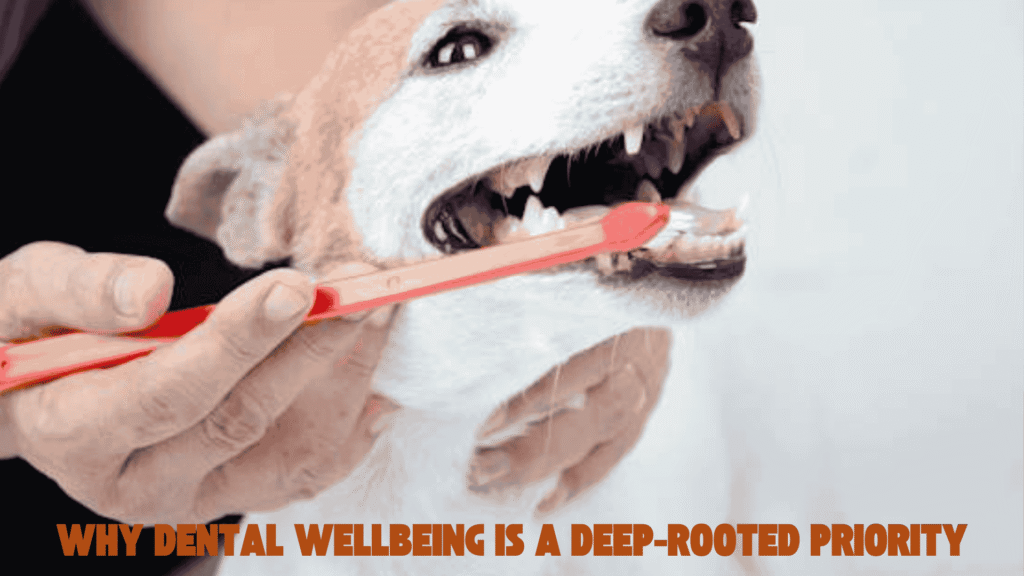
Dental care isn’t a one-time fix—it’s a deep-rooted commitment. Disregarding dental notices can abbreviate your pet’s life and genuinely decrease their quality of life. Tooth rot and gum illness don’t harm the mouth—they can affect the whole body.
Daily Schedule Tips:
- Brush your pet’s teeth with pet-safe toothpaste
- Offer dental chews or crude bones (if vet-approved)
- Add dental flushes or water additives
- Choose nourishment with dental benefits
- Schedule yearly dental exams with your vet
Conclusion
Your pet depends on you to take note of the inconspicuous signs that something’s off-base. A small dribble, a whiff of terrible breath, or a swollen cheek might appear minor—but these may be the body’s pressing dental notices. Acting rapidly can avoid torment, contamination, and indeed life-threatening complications. With normal dental care, proficient cleanings, and day-to-day at-home support, you can guarantee your pet remains healthy and upbeat from teeth to tail. Don’t hold up for unmistakable pain—take action at the to begin with caution sign.
When it comes to your pet’s mouth, what you don’t see can harm them. Be the advocate your pet needs—start making dental wellbeing a beat need nowadays. How often do you check your pet’s teeth and gums?
FAQs
How regularly ought I to brush my pet’s teeth?
Ideally, day by day. At least, point for 3–4 times per week utilizing pet-specific toothpaste and a delicate brush.
Is awful breath continuously a dental warning?
Mostly yes. Incidental odor is typical, but determined terrible breath is regularly a sign of disease or dental disease.
Can dental malady truly influence the heart or kidneys?
Yes. Microscopic organisms from gum diseases can enter the circulatory system and hurt crucial organs, leading to heart or kidney disease.
My pet eats fine—could they still have dental issues?
Absolutely. Numerous pets eat through torment. An ordinary craving doesn’t run the show out of dental disease.
Is anesthesia secure for dental cleanings?
In sound pets, yes. Anesthesia is fundamental for a careful, pain-free cleaning and permits X-rays and extractions if needed.