
Hello people! How do you keep your pet safe when the temperature drops? Winter can be enchanting, but for our fuzzy companions, the cold season poses genuine dangers. From frigid paws to frostbite and harmful radiator fluid, pets confront risks that numerous proprietors ignore. Keeping your canine or cat secure amid winter requires more than a warm sweater—it requires a shrewd and proactive approach. That’s where these basic security tips come in.
Whether you’re heading out for a blanketed walk or keeping pets cozy inside, this direct will offer assistance you get it how to shield them from winter’s most exceedingly bad. These 7 winter musts are simple to take after, however capable sufficient to make a genuine contrast in your pet’s wellbeing, bliss, and security. Let’s make winter wonderful—for you and your best friend. Let’s start!
Table of Contents
Bundle Up: Dress for the Cold
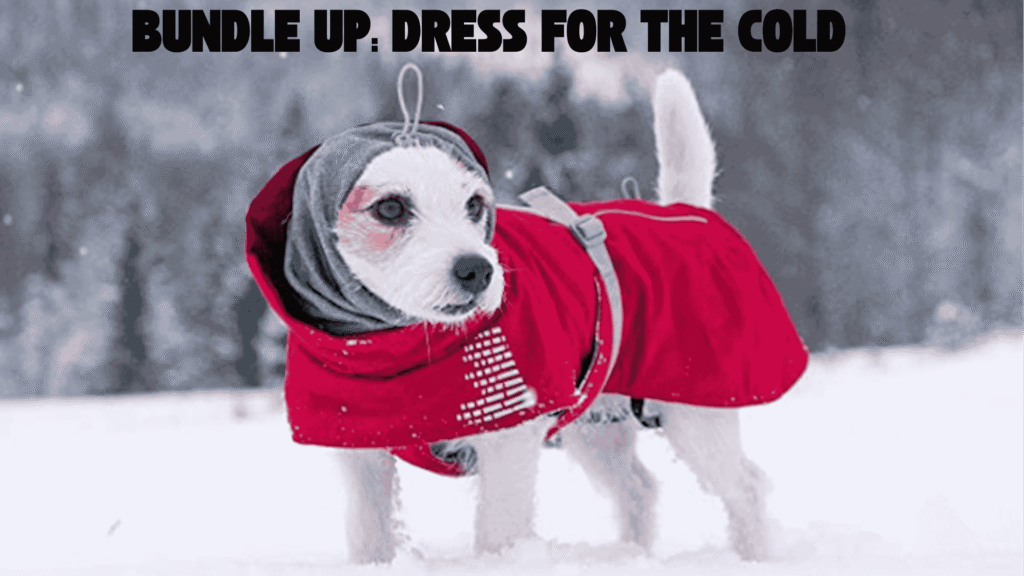
Not all pets have the normal hide to withstand freezing temperatures. Breeds like Greyhounds, Chihuahuas, and short-haired cats are particularly vulnerable.
Why It Matters
Even thick-coated pooches can involvement frostbite if uncovered for too long. Cold can leak in through ears, paws, and noses—areas where hide is thinner.
Winter Security Tips
- Invest in quality pet clothing. See for waterproof and protective jackets.
- Use booties to secure delicate paws from ice, salt, and sharp objects.
- Limit time outside on amazingly cold days, particularly for smaller breeds and elderly pets.
- Dressing your pet isn’t fair cute—it’s basic. Legitimate security anticipates hypothermia and frostbite, two genuine winter perils. When it’s solidifying for you, it’s solidifying for them, too.
Ensure Those Paws
Icy sidewalks, street salt, and solidified flotsam and jetsam can wreak destruction on your pet’s feet.
Why It Matters
Salt and de-icers can burn paw cushions and cause aggravation. If licked off, they can also be poisonous. Snow can get compacted between the toes and lead to frostbite.
Winter Security Tips
- Apply a paw analgesic recently, and after walks.
- Wipe their paws with a warm, dewy cloth when you return indoors.
- Trim the hide between the paw cushions to decrease ice buildup.
- Choose pet-safe de-icers for your property.
- Keeping your pet’s paws secure is one of the most imperative winter security tips. A few additional minutes of care can avoid excruciating wounds and startling vet visits.
Make a Cozy Resting Spot
As temperatures drop, your pet’s bed needs to give both consolation and warmth.
Why It Matters
Cold floors—especially tile, wood, or concrete—can sap warmth from your pet’s body while they rest. More seasoned pets and those with joint pain are particularly sensitive.
Winter Security Tips
- Elevate the bed off the floor and absent from drafts.
- Add covers or self-warming mats.
- Avoid warmed cushions unless they’re pet-safe with auto shut-off.
If your pet rests in a carport or open shelter, guarantee the zone is completely protected and never utilize space radiators unattended. Comfortable resting quarters offer assistance in keeping up body warm and avoiding ailments on the chilliest nights.
Hydration Still Things in Winter
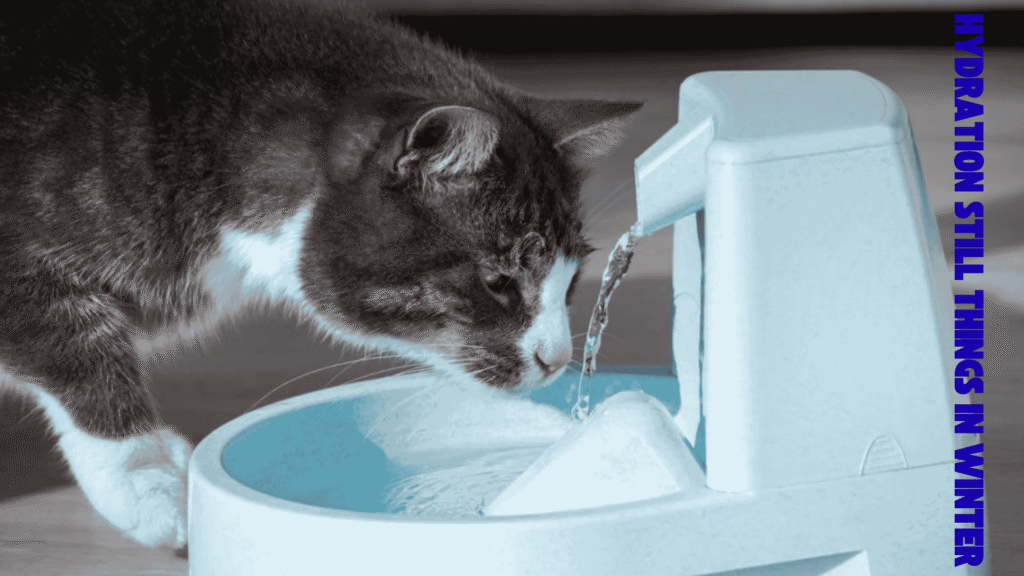
You may think parchedness is, as it were, a summer issue—but it’s as basic in winter.
Why It Matters
Heated homes dry out the discuss, driving it out. Pets frequently drink less in winter, which can cause urinary issues or compound pre-existing conditions.
Winter Security Tips
- Keep water new and somewhat warm to energize drinking.
- Use warmed water bowls if your pet spends time outdoors.
- Avoid metal bowls in solidifying temperatures—they can adhere to tongues.
Hydration underpins joint wellbeing, assimilation, and vitality levels. One of the most neglected winter security tips is to make beyond any doubt your pet drinks a bounty of clean, open water all season long.
Observe Out for Radiator fluid and Chemicals
Winterizing your car is great—but it can be dangerous for pets.
Why It Matters
Antifreeze (ethylene glycol) has a sweet taste that pulls in creatures, but even little amounts can be lethal. Other winter chemicals, like salt and de-icers, are too harmful.
Winter Security Tips
- Store all chemicals out of reach and clean up spills immediately.
- Use a pet-safe engine coolant that contains a bittering agent.
- Monitor your pet amid strolls to avoid licking or sniffing unsafe substances.
Poisoning indications can show up quickly and are regularly deadly if not treated instantly. This tip alone might spare your pet’s life. Continuously keep chemicals bolted absent and your garage well-ventilated.
Be Careful of Indoor Hazards
When it’s too cold to go out, pets spend more time indoors—which brings its possess risks.
Why It Matters
Space radiators, chimneys, candles, and electric covers all pose burn and fire dangers. Pets may also chew lines or get to warm sources.
Winter Security Tips
- Use obstructions around radiators and fireplaces.
- Supervise pets when warming components are in use.
- Avoid free wires and keep ropes out of reach.
- Limit candle utilize or put them where inquisitive pets can’t reach.
- Your domestic ought to be a sanctuary, not a danger. Making a pet-safe indoor environment is one of the most intelligent security tips you can take during the winter months.
Know the Signs of Cold Stress
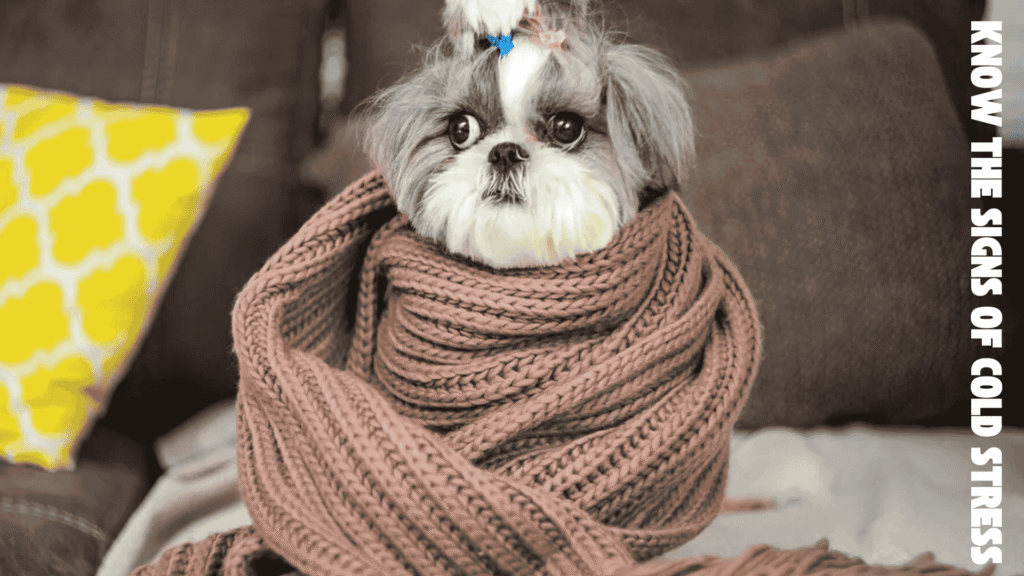
Even with safety measures, pets can get cold as well. Recognizing the signs early can help anticipate a genuine emergency.
Why It Matters
Pets can’t tell us when they’re cold, but their body language can. Shuddering, crying, limping, or burrowing are all signs that your pet is uncomfortable—or worse.
Winter Security Tips
Watch closely amid strolls. If your pet moderates down or lifts paws, it’s time to head inside.
Know the signs of frostbite: pale or gray skin, swelling, or pain when touched.
Know the signs of hypothermia: lethargy, shortcoming, shivering, or collapse.
Immediate activity can cruel the distinction between a speedy warm-up and a vet crisis. Being attentive and responsive is key to winter pet safety.
Bonus Tips for Distinctive Pets
- Cats
- Keep cats inside during winter. Open-air cats are at risk of solidifying and can stow away in car engines.
- Provide a warm, still room with cozy bedding and a litter box.
- Small beings (Rabbits, Guinea Pigs, etc.)
- Move pens interior if conceivable, or completely protected open-air enclosures.
- Use microwaveable warm cushions beneath bedding, never coordinate heat.
Senior Pets
- Add additional warmth for pets with joint pain or portability issues.
- Consider supplements arranged by your vet to ease winter joint stiffness.
Conclusion
Winter can be tough—but with the right safety measures, your pet can flourish indeed in the coldest months. These 7 winter musts aren’t fair thoughtful—they’re life-saving. By taking after these security tips, you’re not as it were ensuring your pet from frostbite and harm, but also giving them the blessing of consolation, warmth, and cherish when they require it most.
Remember: your pet depends on you for everything, particularly when the temperature drops. Layer up, wipe those paws, and keep an eye on indoor dangers. These little acts of care can lead to huge come about. A secure pet is a cheerful pet—and that’s the best compensation of all. Make this winter your coziest, most secure season yet—together. What’s your favorite way to keep your pet warm in winter?
FAQs
How cold is as well cold for pets?
Most pets begin feeling distress underneath 45°F (7°C). Underneath 32°F (0°C), littler or short-haired breeds are at risk. Continuously screen your pet’s behavior.
Can my pet get debilitated from being in the cold?
Yes. Pets can develop hypothermia, frostbite, or respiratory diseases from delayed presentation in cold weather.
Are sweaters truly essential for pets?
For little, senior, or short-haired pets, sweaters or coats are fundamental during winter strolls to hold body heat.
What kind of radiator fluid is safe for pets?
Choose radiator fluid with propylene glycol, which is less harmful than conventional sorts. Continuously clean up spills immediately.
Should I bathe my pet less in winter?
Yes. Visit showers can dry out the skin. Make use of moisturizing or oatmeal-based pet shampoos when rinsing is crucial.


