Hello people! What’s the first thing you did to puppy-proof your home? Bringing a modern puppy is an immaculate joy—until you discover your favorite shoes destroyed, wires chewed, or furniture demolished. Puppies are inquisitive and full of vitality, which makes them inclined to insidiousness and peril. That’s why puppy-proofing your domestic isn’t fair an accommodating tip—it’s essential. Think of it like baby-proofing, but for a hide infant with sharp teeth and a nose that finds everything.
Done right, puppy-proofing anticipates mischances, ensures your assets, and lays the foundation for a secure and upbeat life together. Whether you’re a first-time pooch parent or embracing once more, these five basic steps will offer assistance you dodge common calamities and keep your unused best companion secure, sound, and stress-free. Let’s plunge in! Let’s start!
Table of Contents
Secure All Perilous Items
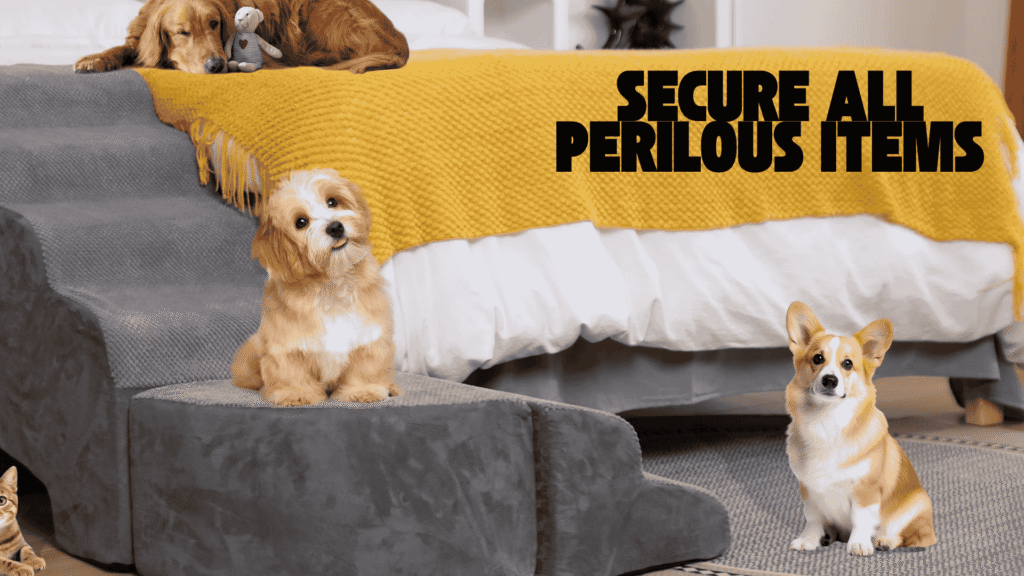
Your puppy sees the world with its mouth—and that can lead to calamity quickly. Fair like little children, puppies investigate by chewing. Tragically, that interest can be unsafe when harmful or destructive things are inside reach.
Common Family Hazards:
Cleaning supplies: Dye, alkali, and indeed “natural” items can be toxic.
Medications: Painkillers, antidepressants, and vitamins can be dangerous to dogs.
Batteries and tools: Chewing on batteries or streaks can cause burns, electric shock, or choking.
Food chances: Grapes, chocolate, onions, garlic, and xylitol (in gum and groundnut butter) are all toxic.
Small objects: Coins, presents, a supple set, or children’s toys are all choking hazards.
How to Secure Them:
- Use childproof locks on cabinets inside reach.
- Place all meds in tall cabinets.
- Keep cleaning supplies bolted up or on tall shelves.
- Store nourishment in hermetically sealed holders, not moo drawers.
- Cover electrical outlets and organize ropes with cable administration kits.
Real-World Tip:
Use the “puppy’s eye view” method: get on all fours and see around your domestic. Anything at paw-level is reasonable amusement and needs to be considered a potential hazard.
Make a Secure Space
New puppies require structure, and that begins with an assigned, secure zone fair for them. This is not as it were comforting for your puppy, but it also makes a difference if you control their environment and decrease accidents.
Why a Secure Space Matters:
- Helps with house preparation by restricting where your puppy can roam.
- Reduces uneasiness by advertising a reliable place to unwind and sleep.
- Prevents getting to off-limits regions when you’re not watching.
Options for a Puppy Secure Space:
Crate: A legitimately measured case is an incredible instrument for preparing and comfort.
Puppy write: Bigger than a case, a write gives your pup more room to play safely.
Baby doors: Square off particular ranges like the kitchen or living room for supervised play.
Must-Have Supplies:
- Soft bedding (machine washable)
- Water bowl (non-tip, ideally)
- Chew-safe toys
- Puppy cushions (for housebreaking)
Pro Tip:
Avoid taking your puppy in a carton or write for too long—4 hours is the max for most youthful pups. Be beyond any doubt to incorporate visit breaks, work out, and holding time.
Secure Your Belongings
You cherish your unused pup, but you likely cherish your furniture and shoes, as well. Puppies chew instinctively—especially when they’re getting teeth. So, ensuring your assets aren’t cruel. It’s smart.
High-Risk Belongings:
- Shoes, socks, and slippers
- Remote controls and phones
- Cushions and toss pillows
- Rugs and carpet edges
- Table and chair legs
Strategies That Work:
Keep enticing things out of reach: Shoes in closets, remotes on tall racks, etc.
Use obstruction showers: Items like biting apple showers debilitate chewing on furniture and fabric.
Provide chew decisions: Offer declared chew toys, gelled carrots, or dental chews.
Supervise and amuse: trap them in the act and amuse with a toy. pay amazing behavior!
Furniture Security Hacks:
- Use slipcovers or covers on couches.
- Apply double-sided tape or aluminum thwart to prevent furniture chewing.
- Place a puppy door around costly furniture or electronics.
Remember:
Puppies don’t know the contrast between your $300 sneaker and an ancient sock. It’s up to you to instruct them—and to set them up for victory with shrewd boundaries.
Dispose of Elude Routes
One of the greatest puppy catastrophes is elusive. A gap in the fence, an open entryway, or a torn window screen can all be solicitations to wander—and puppies have no street sense. Keeping them secure requires considering them like an elude artist.
Indoor Risks:
- Doors cleared out ajar
- Loose window screens
- Gaps beneath furniture that they can slither into and get stuck
- Stairs without entryways (chance of falling)
Outdoor Risks:
- Gaps in the wall or gates
- Open carports or sheds
- Pools or lakes with no cover
- Toxic plants or mulch (e.g., cocoa mulch)
How to Kill Escapes:
- Use self-closing pivots or infant entryways on doors.
- Reinforce window screens and keep windows closed when unsupervised.
- Fence your yard or utilize a directed tie-out or encased playpen.
- Remove any yard risks like mushrooms, compost, or chemicals.
- Get a pet ID tag and microchip—just in case.
Bonus Tip:
Always handle your puppy externally, really in a fenced yard. They can burrow beneath, hop over, or press through quicker than you think!
Construct a Schedule and Prepare Early
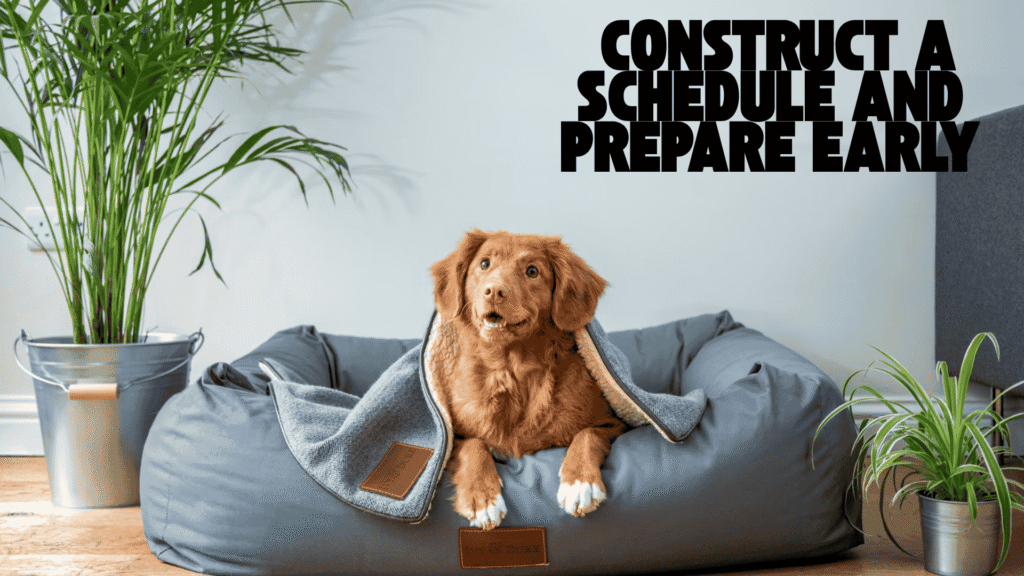
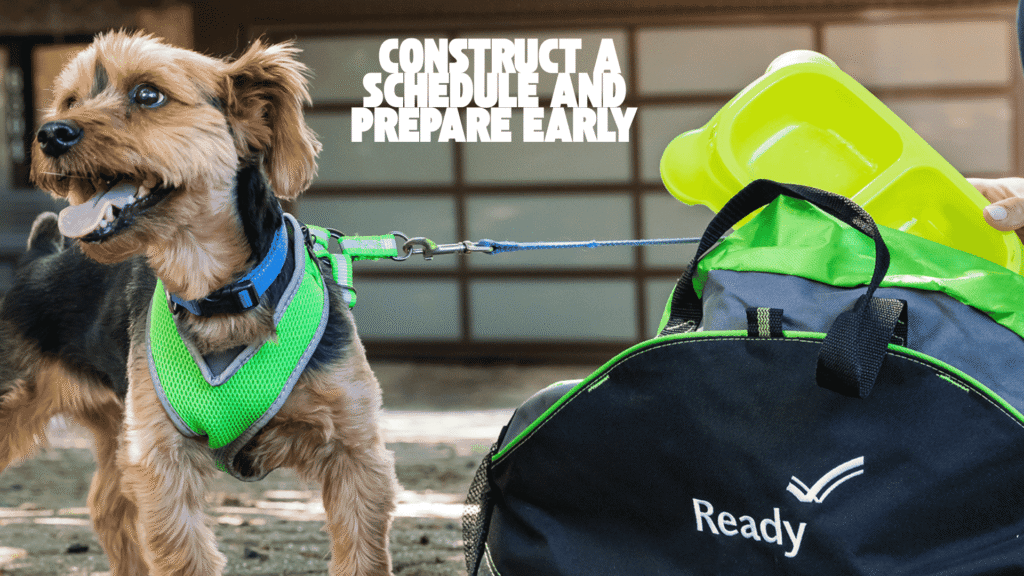
Disasters don’t, as it were, come from chewing or getting away. Behavior issues like intemperate yapping, fear, or hostility regularly stem from a need for schedule and preparation. Begin on day one to construct great habits.
Establishing a Routine:
Feeding times: Adhere to set times to control absorption and potty habits.
Potty breaks: Take them out to begin with, things in the morning, after dinners, after rests, and sometimes right before bed.
Play and preparing sessions: Puppies have brief consideration ranges, so keep preparing brief and fun.
Sleep plan: Youthful puppies rest 18–20 hours a day. Grant them calm, secure rest spaces.
Key Preparing Areas:
- Crate training
- Housebreaking
- Basic commands (sit, remain, come)
- Socialization with individuals, other mutts, and modern environments
Tools to Help:
- Treat pouches
- Clickers
- Puppy preparing pads
- Leash and collar or harness
- Positive support mindset
Red Hail Behaviors:
If your puppy is persistently eating, snapping when touched, or not replying to primary signs after a small number of weeks, consider therapy with a certified mutt mentor or behaviorist.
Conclusion
Welcoming a puppy into your life is a brilliant adventure—but it’s also an enormous obligation. Puppies don’t know what’s unsafe or off-limits. It’s your work to direct them with tolerance, adore, and a well-prepared environment. By taking after these five basic steps—securing dangers, making a secure space, securing your possessions, avoiding elude courses, and building structure through training—you’ll set your pup up for victory and avoid common catastrophes some time recently happened.
Puppy-proofing isn’t approximately restriction—it’s about opportunity inside secure boundaries. With the right setup and attitude, your puppy will flourish, and your domestic (and rational soundness!) will remain intaglio. Here’s to cheerful tails, less chewed-up shoes, and a lifetime of puppy adore! Ready to puppy-proof your home for a safe, happy start?
FAQs
At what age must I launch puppy-proofing my home?
Ideally, begin sometime recently your puppy arrives everything prepared at slightest a few days in development to diminish stretch and maintain a strategic distance from accidents.
How long ought I to case my puppy each day?
Generally, no more than 4 hours at a time for youthful puppies. Continuously adjust carton time with work, play, and potty breaks.
Can I apply child items like entrance and bolt for puppy-proofing?
Yes! Various baby-proofing things work well for puppies, precisely entry, outlet covers, and cabinet locks.
What’s the best way to discontinue my puppy from chewing furniture?
Redirect with chew toys, utilize severe splashes, and keep them administered. Carton preparation makes a difference when you’re away.
Do I need to puppy-proof my yard, too?
Absolutely. Evacuate harmful plants, near holes in the wall, and never take off your puppy unsupervised outdoors—even for a few minutes.